
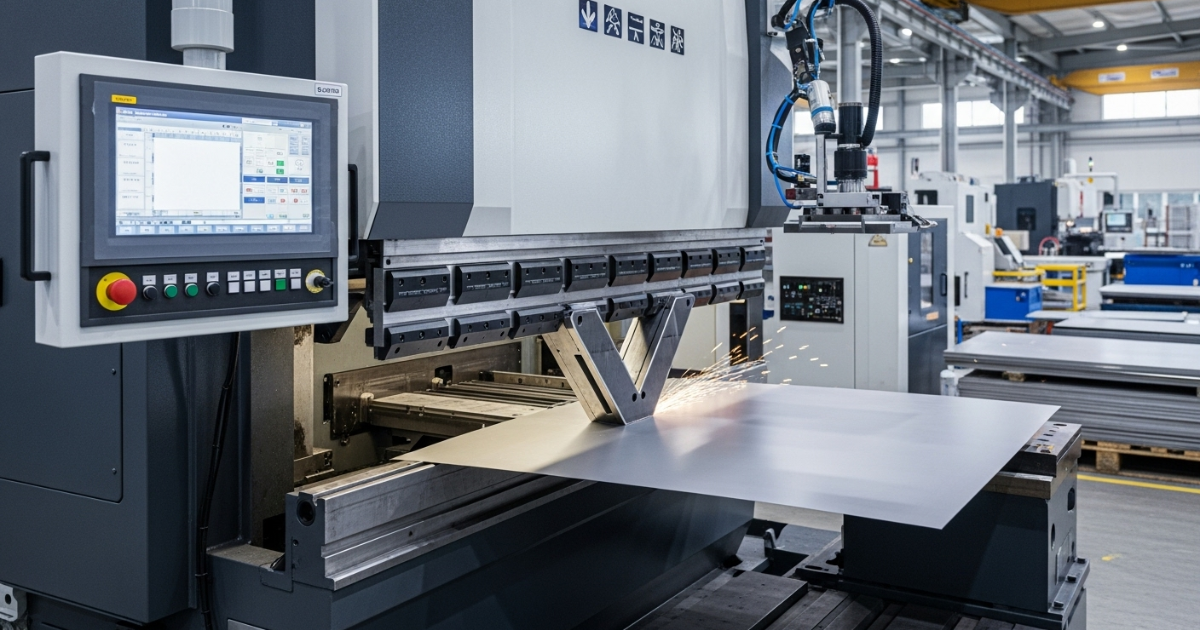
In 2025, precision, speed, and automation define the metal bending landscape. A cnc press brake machine stands out as a robust solution for accurately forming sheet and plate metals with minimal manual effort. Whether you’re sourcing from leading cnc press brake manufacturers or evaluating trusted cnc press brake suppliers, this guide dives deep into machine types, pricing insights, features, and best practice selection criteria.
How CNC Press Brake Machines Work
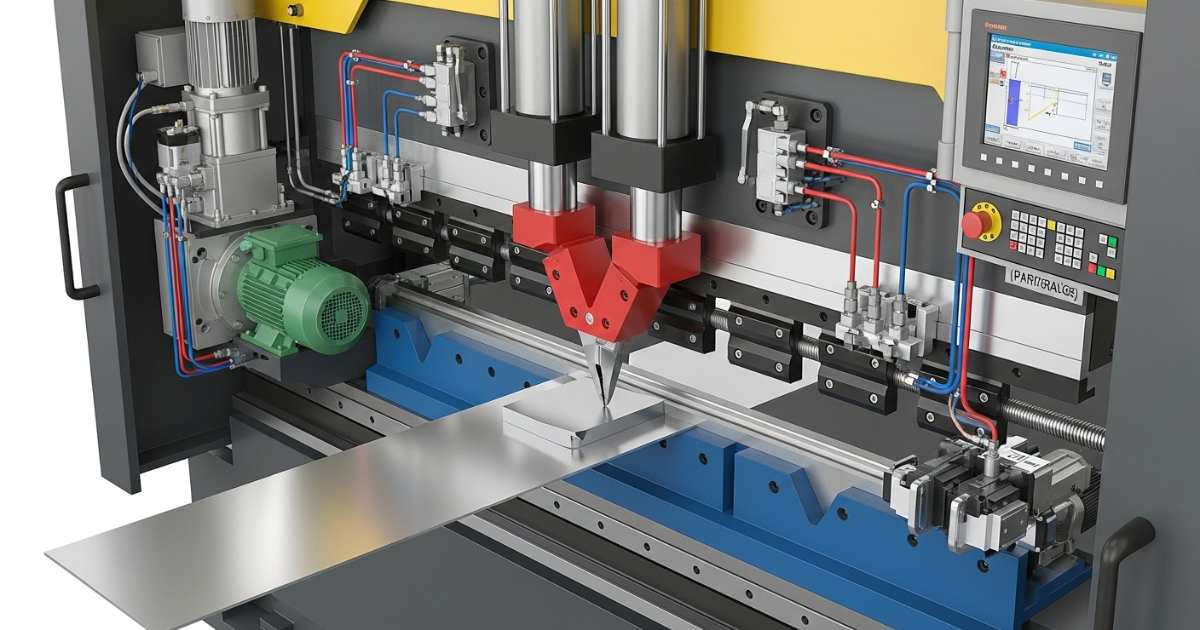
A CNC press brake machine is a computer numerically controlled system that automates metal bending by guiding a punch into a matching die. The material is clamped and bent according to programmed inputs, enabling consistent angles and reduced manual setup. CNC systems surpass traditional nc press brake units in flexibility and precision due to feedback systems and advanced motion control
Why CNC Press Brake Is Ideal for Modern Fabrication
- Programmable control of stroke, speed, and back gauge for repeat accuracy
- Higher bending throughput per hour compared to NC system
- Closed-loop feedback ensures ram parallelism and bending precision
- Multiple-axis back gauge systems for complex bend sequencing
- Strong safety features including presence sensing devices and light curtains
These benefits make CNC press brake machines essential for production environments demanding minimal errors and maximal uptime.
Factors Influencing CNC Press Brake Price
When comparing shearing machine price equivalent for bending machines, cnc press brake suppliers vary offerings based on:
- Machine tonnage capacity and bending length
- Number of axes in the back gauge (e.g. 3+1, 6+1)
- Servo-electric vs. hydraulic driving system
- Control sophistication (graphical programming, angle correction, automatic crowning)
- Safety configurations such as electronic presence sensing devices or light curtains
- Additional upgrades like robotic part handling or laser protection
The investment may be higher than an NC model, but long‑term value comes from accuracy, automation and reduced waste.
Types of Press Brake Machines
NC Press Brake Systems
Basic numeric input control typically managing X and Y axes. Good for simple bends but lacks real-time feedback or automatic parallel correction.
CNC Press Brake Machines
Electro-hydraulic servo systems with linear encoders enable full closed-loop control, improved synchronization, automatic crowning and multi-axis bending.
Mechanical and Hydraulic Press Brakes
Mechanical presses rely on flywheel energy; hydraulic units offer smoother and steadier force. They suit high-tonnage bending with low automation.
Benefits of CNC over NC Press Brake Systems
- Higher Speed: CNC units achieve down speeds up to 200 mm/s, while NC systems typically offer 80 mm/s
- Better Accuracy: CNC feedback corrects ram mismatch automatically
- Greater Flexibility: Multi-axis back gauges allow complex bend sequences
- Automated Crowning: CNC controllers adjust table deformation to ensure uniform bend angle
- Enhanced Safety: Integrate lasers or cameras to detect operator intrusion and stop motion instantly
While NC machines may cost less upfront, CNC systems offer more capability and adaptability.
Model Comparison Table – NC vs CNC Press Brake
| Feature | NC Press Brake Machine | CNC Press Brake Machine |
| Back gauge axes | Usually X and Y only | Typically 3 to 6+1 axes |
| Ram synchronization | Mechanical torsion bar | Closed-loop feedback via encoders |
| Speed | ~80 mm/s down speed | Up to 200 mm/s for faster bending |
| Crowning adjustment | Manual or none | Automatic via controller |
| Programming flexibility | Limited | Graphical, unfolding, error correction |
| Safety system | Basic guards | PSI, laser/camera detection available |
| Bending accuracy | ±30′ | ≤ 18′ (arc minutes) |
| Price | Moderate | Higher startup cost, better ROI |
Applications of CNC Press Brake Machines
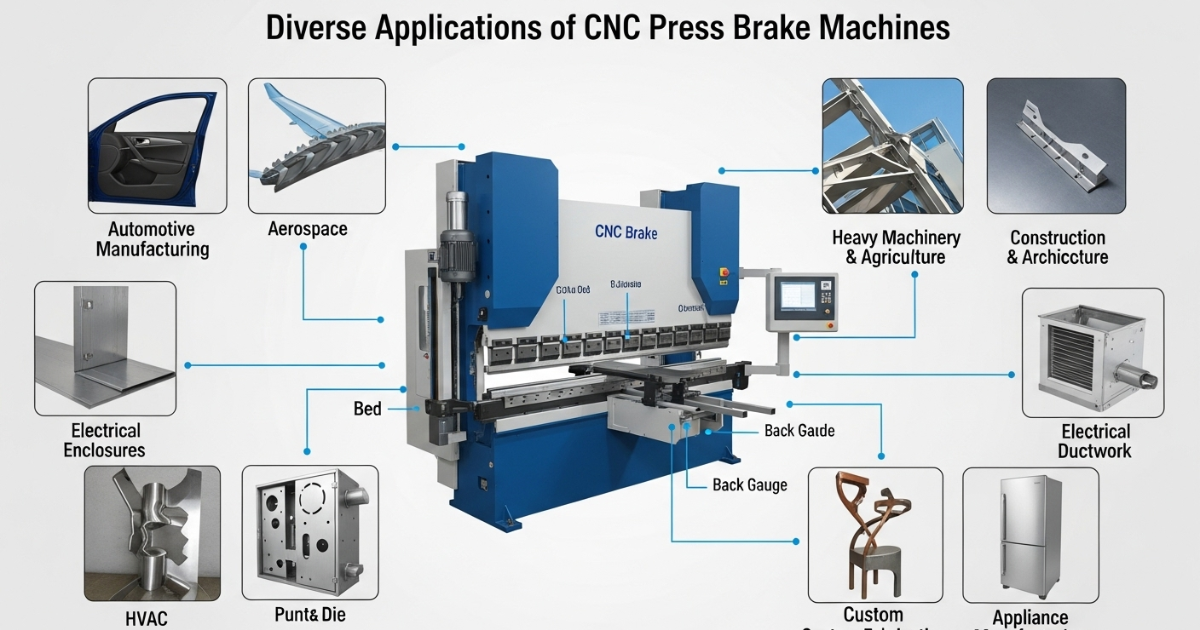
- Automotive fabrication: High-volume production of body panels and mounting brackets
- Construction and HVAC: Precision bending for ductwork, enclosures, and structural trims
- Appliance manufacturing: Consistent form bends for sheet metal housing and frames
- Industrial equipment: Parts requiring multiple sequential bends with tight tolerances
CNC machines are especially beneficial where speed, accuracy, and repeatability matter most.
Selecting the Right CNC Press Brake Machine
Consider these key aspects when evaluating options:
- Desired bending tonnage and working length
- Number of axes in back gauge and required movement complexity
- Type of drive system (servo vs. hydraulic) for speed and energy efficiency
- Safety features such as presence sensing or laser protection
- Programming capabilities: graphic interfaces, bend sequencing, angle correction
- Warranty, after-sales support, and spare part availability from manufacturer or supplier
These parameters help define the ideal machine profile for your production needs.
Maintenance Practices for Longevity
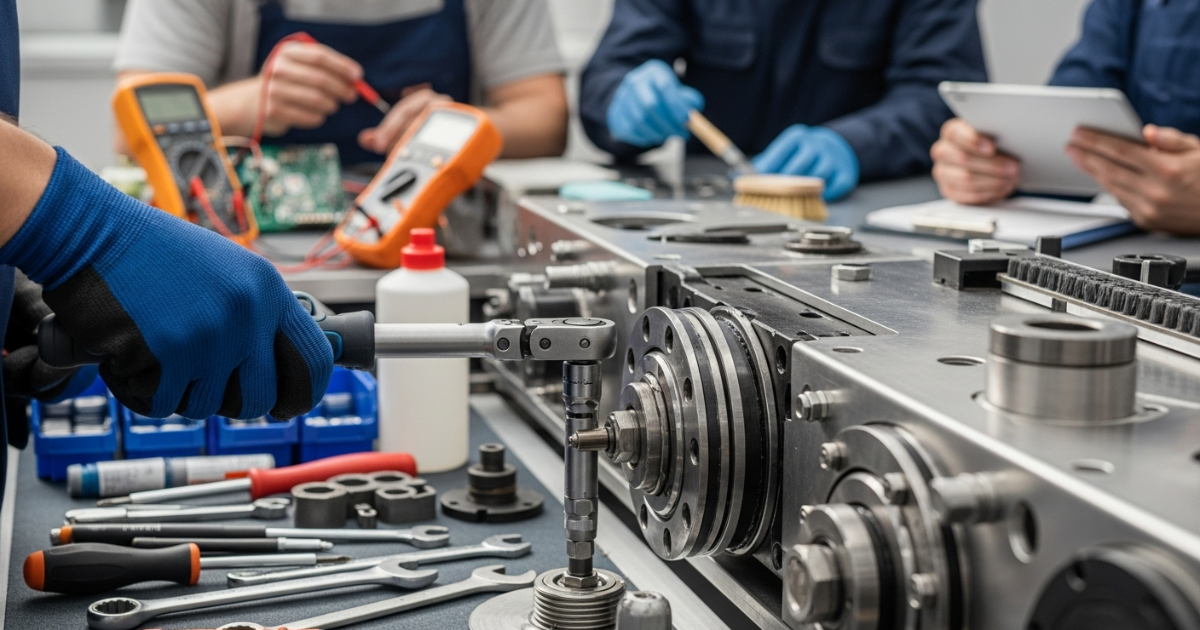
Routine care ensures consistent results and machine lifespan:
- Verify back gauge calibration for accurate positioning
- Clean dies, guides, and rails to avoid friction or misalignment
- Check hydraulic fluid and filters for consistent force delivery
- Monitor safety devices and interlocks to ensure operator protection
- Sharpen or replace tooling as needed per material and workload
- Document maintenance tasks in logs to track compliance and scheduling
Preventive maintenance reduces downtime and extends service life with less unplanned expense.
Price Guidance and ROI Considerations
While cnc press brake manufacturer quotes vary, price typically depends on:
- Machine tonnage and working width
- Number of axes and automation level
- Integrated software for angle compensation and bend sequencing
- Safety technology and optional equipment
Though CNC systems may cost significantly more than NC units, they justify the investment through improved productivity, reduced scrap, faster cycle times, and lower labor costs.
Safety Standards and Compliance
Modern press brakes must incorporate robust safety systems:
- Presence sensing devices like light curtains or laser detection to stop motion if obstruction is detected
- Compliance with standards such as EN 13849-1 and ANSI B11.19
- Emergency stop systems at operator-accessible points
- Safety training for operators to prevent misuse and ensure proper handling
Frequently Asked Questions
What is the difference between a CNC and NC press brake?
CNC systems use closed-loop feedback and support multiple axes, providing higher accuracy and automation. NC machines rely on basic numeric control and mechanical synchronization.
How many axes can back gauges control?
CNC systems support configurations ranging from 3+1 to 6+1 axes for precise positioning and complex bending sequences.
What safety systems are typical?
Electronic safety devices, including laser or camera sensing, light curtains, and presence detection, help prevent operator injury.
Are CNC machines significantly more expensive than NC?
Yes, initial investment tends to be higher, but long-term ROI benefits include higher throughput, less waste, and enhanced automation.
Can CNC press brake handle varying material thicknesses?
Yes, these machines can manage a range of thicknesses from thin enamel steel to heavier plates depending on tonnage and tooling configuration.
Conclusion
As fabrication demands increase in precision and speed, investing in a cnc press brake machine, backed by a reliable cnc press brake manufacturer or cnc press brake suppliers, is integral to future-ready operations. These high-performing machines offer enhanced accuracy, automation, and safety delivering reliable efficiency for metal bending applications in 2025 and beyond.
Choose a machine that aligns with production volume, complexity, and automation needs. To explore product features or request detailed quotes, visit Energymission today for expert guidance and industry-leading equipment.