
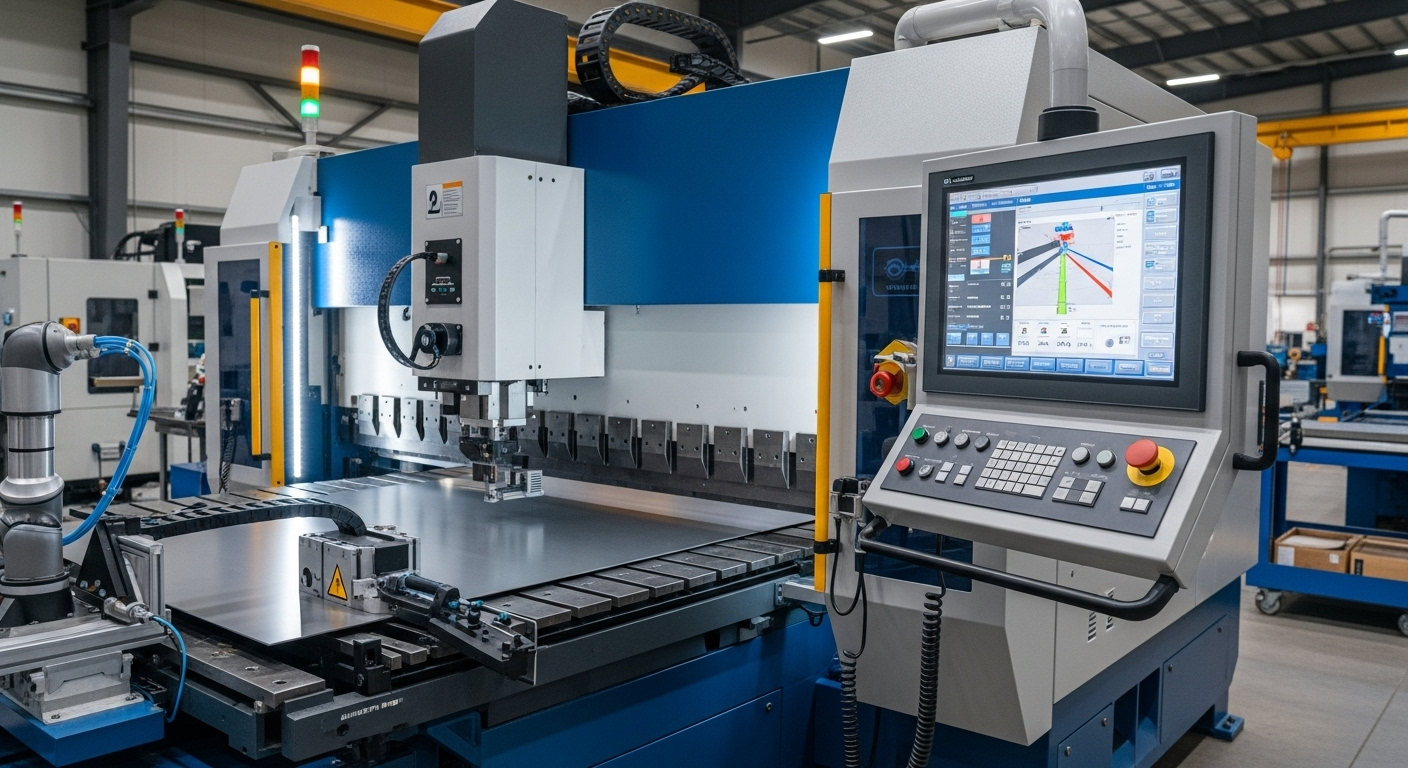
In modern metal fabrication, efficiency, speed, and precision are everything. As industries evolve, so does the technology behind sheet metal processing equipment. Among these, the hydraulic shearing machine stands out as a cornerstone of industrial production enabling accurate and clean cuts for steel, aluminum, and various metal sheets.
With the advent of automation, digital control systems, and advanced hydraulic engineering, the CNC Hydraulic Shearing Machine has completely transformed industrial metal cutting. Manufacturers today focus not just on performance but also on sustainability, energy efficiency, and smart operation.
In this comprehensive blog, we’ll explore the latest trends in hydraulic shearing machines, how CNC technology has revolutionized production, and what to look for when choosing a reliable Hydraulic Shearing Machine Manufacturer or Supplier.
Understanding Hydraulic Shearing Machines
A hydraulic shearing machine is used to cut large metal sheets into smaller sizes with high precision and smooth edges. The hydraulic system applies controlled pressure to the blade beam, ensuring consistent and powerful cutting action.
In comparison to mechanical shears, these machines provide smoother operation, minimal vibration, and enhanced safety. They are widely used in industries such as:
- Automotive manufacturing
- Construction and infrastructure
- Aerospace and shipbuilding
- Metal fabrication workshops
- Electrical panel and appliance manufacturing
A good Industrial hydraulic shearing machine combines reliability, repeatability, and automation — critical for large-scale production environments.
Evolution to CNC Hydraulic Shearing Machines
Traditional hydraulic shears relied heavily on manual settings and operator expertise. However, with computer numerical control (CNC) integration, the CNC hydraulic shearing machine has redefined productivity and precision.
Key Features of CNC Hydraulic Shearing Machines
- Automated Blade Gap Adjustment – The system automatically sets the ideal blade clearance for different sheet thicknesses.
- Programmable Back Gauge – CNC controls allow exact material positioning, minimizing waste.
- Touchscreen Interfaces – Modern shearing machines feature user-friendly displays for real-time monitoring and control.
- Hydraulic Overload Protection – Ensures smooth performance even under high workloads.
- Energy Efficiency – Latest models use servo-hydraulic systems that reduce power consumption.
The shift from manual to CNC-based systems has increased cutting accuracy, reduced setup time, and allowed industries to meet tight production deadlines.
Trend 1: Smart CNC Control and Automation
The biggest transformation in the Hydraulic Shearing Machine industry is automation. Today’s systems integrate intelligent CNC controls capable of storing cutting programs, optimizing stroke length, and adjusting speeds automatically.
Advantages of Automation:
- Reduced human error and consistent quality.
- Faster setup times with automatic adjustments.
- Improved material utilization with advanced nesting software.
- Remote monitoring and diagnostics for predictive maintenance.
Modern Automatic hydraulic shearing machines allow operators to handle complex tasks effortlessly while maintaining peak productivity.
Trend 2: Energy-Efficient Hydraulic Systems
Energy efficiency is a major concern for industries aiming to reduce operational costs and carbon footprint.
Today’s Industrial hydraulic shearing machines feature variable-speed drive systems and servo-hydraulic controls. These systems regulate the flow and pressure only when required, significantly lowering power consumption.
Benefits include:
- Reduced electricity costs
- Lower oil temperatures
- Extended hydraulic component life
- Environmentally sustainable operations
These machines demonstrate how innovation can align production efficiency with environmental responsibility.
Trend 3: Integration of IoT and Industry 4.0
Industry 4.0 has paved the way for smart manufacturing, and CNC hydraulic shearing machines are now part of this connected ecosystem. IoT (Internet of Things) technology enables real-time data collection, performance analytics, and remote control of machine operations.
How IoT Enhances Machine Productivity:
- Predictive Maintenance: Detects issues before breakdowns occur.
- Performance Analytics: Tracks usage data to optimize settings.
- Remote Monitoring: Allows supervisors to manage machines from anywhere.
- Data Integration: Connects with ERP or MES systems for streamlined workflow.
Such intelligent systems are revolutionizing how manufacturers manage production floors, ensuring minimal downtime and maximum efficiency.
Trend 4: Enhanced Safety and Operator Comfort
Safety standards are evolving rapidly. Leading Hydraulic Shearing Machine Manufacturers are now designing machines with built-in safety sensors, automatic blade guards, and emergency stop features.
Modern machines are also ergonomically designed to improve operator comfort, reduce fatigue, and enhance focus. Features like noise reduction systems, touchscreen panels, and adjustable working heights are becoming standard.
Safety is not just a compliance requirement, it’s a critical part of maintaining smooth and productive operations in modern factories.
Trend 5: Compact and Modular Designs
Industrial workshops often face space constraints, leading manufacturers to design compact and modular hydraulic shearing machines.
Key Benefits:
- Smaller footprint without compromising cutting length.
- Easier installation and mobility.
- Modular components for faster maintenance or upgrades.
These compact designs allow workshops to optimize floor space and scale operations with minimal infrastructure changes.
Trend 6: Precision and High-Speed Cutting
Speed and precision are two critical aspects of modern metal cutting. Advanced CNC hydraulic shearing machines are now equipped with servo-motor controls and high-response hydraulics that ensure faster cycles and more accurate cuts.
Results include:
- Cleaner edges without burrs.
- Consistent quality across batches.
- Higher throughput with reduced rework.
For industries like automotive and aerospace, where tolerances are tight, this precision ensures reliability and performance in the final product.
Trend 7: Cost-Effective Machine Options
While technology is advancing, affordability remains a key consideration. Many Hydraulic Shearing Machine Suppliers are offering competitively priced models without compromising quality.
Buyers can choose from:
- Manual hydraulic shears for small workshops.
- Semi-automatic models for mid-level production.
- Fully automatic CNC machines for large-scale industries.
The Hydraulic shearing machine price varies depending on tonnage, cutting length, automation level, and brand reputation. However, investing in a quality machine ensures better ROI, longer lifespan, and reduced downtime.
Trend 8: Customization and Multi-Material Capability
Manufacturers now demand flexibility to process multiple materials from stainless steel to aluminum and brass. Modern Industrial hydraulic shearing machines offer programmable cutting parameters to handle different materials with ease.
Additionally, manufacturers provide customization options such as:
- Extended back gauge lengths
- Enhanced cutting capacities
- Custom blade materials
- Automation modules and conveyors
Choosing a reputable Hydraulic Shearing Machine Manufacturer ensures that your machine is tailored to meet your specific production needs.
Trend 9: Focus on Sustainability and Low Maintenance
Sustainability has become a top priority across industries. New-age CNC hydraulic shearing machines are designed for longer service intervals, reduced oil usage, and minimal maintenance requirements.
Manufacturers now use eco-friendly hydraulic fluids, energy-efficient motors, and recyclable components to reduce environmental impact.
This approach not only aligns with green manufacturing goals but also lowers overall operational costs for factories.
How to Choose the Right Hydraulic Shearing Machine
With so many innovations and features available, selecting the right machine can be challenging. Here’s a checklist to guide your decision:
- Determine Production Volume: Choose a machine that can handle your daily cutting requirements.
- Evaluate Material Type and Thickness: Match machine capacity to your material specifications.
- Check Automation Features: Ensure the CNC system suits your workflow.
- Assess After-Sales Support: Reliable Hydraulic Shearing Machine Manufacturers offer strong service networks.
- Compare Prices and ROI: Don’t focus only on upfront cost, consider long-term performance and maintenance.
Investing in a reliable Automatic hydraulic shearing machine ensures precision, productivity, and durability.
The Future of Hydraulic Shearing Technology
The next generation of hydraulic shearing machines will focus even more on digitalization, AI-based optimization, and sustainable design. We can expect features like:
- AI-assisted cutting optimization
- Real-time energy monitoring
- Self-calibrating blades
- Fully integrated smart factory connectivity
These innovations will redefine industrial production, making metal cutting faster, smarter, and greener.
Conclusion
The hydraulic shearing machine continues to play an indispensable role in industrial metal fabrication. With the integration of CNC systems, automation, IoT connectivity, and sustainable design, the industry is moving toward smarter and more efficient production models.
Whether you’re upgrading your existing setup or setting up a new workshop, partnering with a trusted Hydraulic Shearing Machine Manufacturer or Supplier ensures top-tier performance, reliability, and long-term cost savings.
As demand grows for precision and automation, the future of CNC hydraulic shearing machines looks promising, delivering unmatched accuracy, reduced downtime, and higher profitability for industrial manufacturers worldwide.