
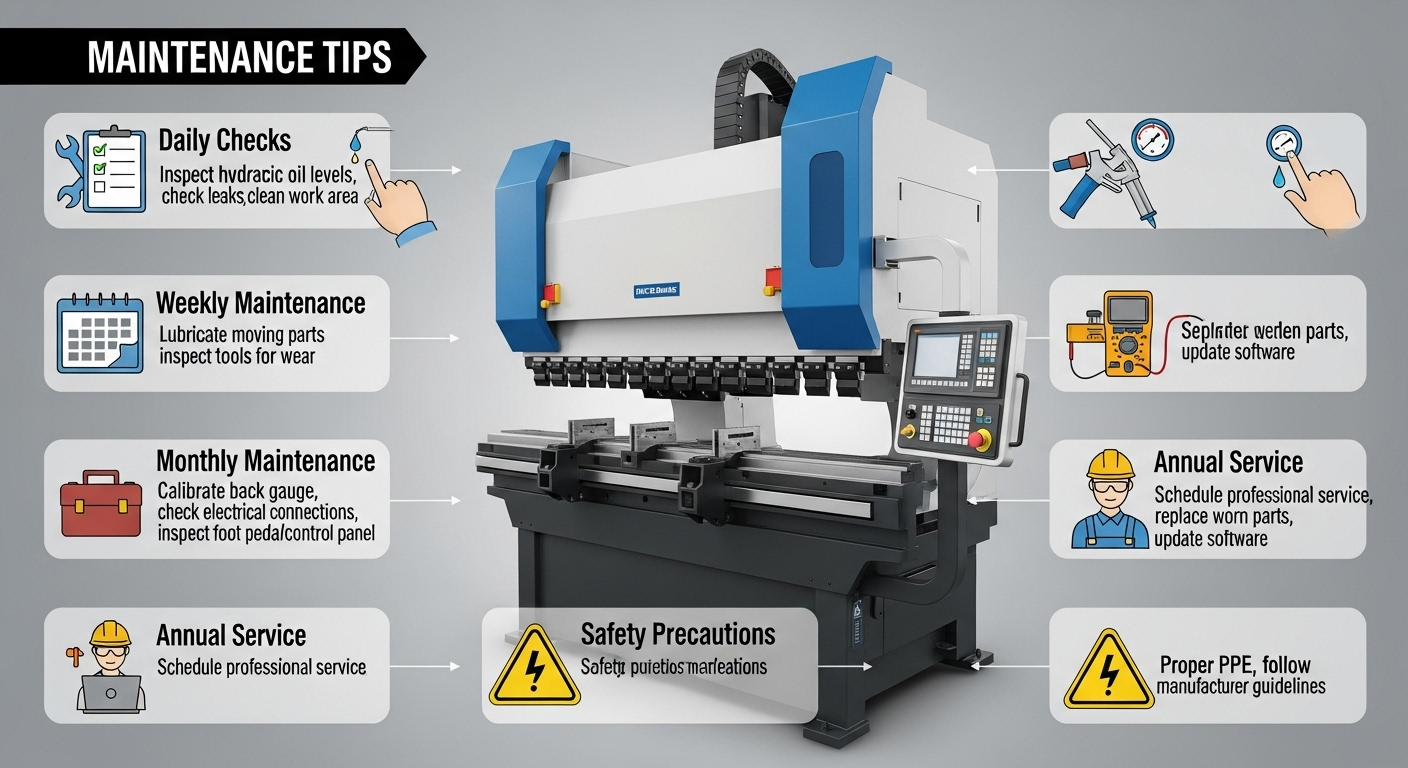
In any fabrication workshop, the CNC bending machine is one of the most valuable assets. It’s responsible for shaping sheet metal with precision and consistency, ensuring that every component meets exact design requirements. However, like any other industrial equipment, your CNC bending machine requires regular maintenance to perform at its best.
Without proper care, even the most advanced Hydraulic CNC Bending Machine can experience reduced accuracy, slower cycle times, or mechanical failures. Preventive maintenance is key to ensuring the long-term efficiency, safety, and durability of your machine.
This blog will share essential maintenance tips that every operator and workshop owner should follow to keep their CNC press brake bending machine in top condition.
Why Maintenance is Crucial for CNC Bending Machines
A CNC Bending Machine operates under constant mechanical stress, bending thousands of metal sheets with immense pressure. Continuous use without maintenance can cause hydraulic leaks, misalignment, or component wear.
Proper maintenance provides:
- Increased Accuracy: Maintains precise bending angles and repeatability.
- Longer Machine Life: Prevents premature wear and damage.
- Reduced Downtime: Avoids costly breakdowns and production delays.
- Improved Safety: Ensures all components function within safe limits.
A well-maintained hydraulic CNC bending machine delivers consistent results and keeps your workshop running smoothly.
1. Follow a Regular Cleaning Routine
Dust, metal particles, and debris can affect the performance of your bending machine. Regular cleaning helps maintain smooth operations and prevents corrosion.
Tips:
- Wipe down the surface daily after use.
- Clean the back gauge and working area thoroughly.
- Remove accumulated metal chips and debris from guides and dies.
- Avoid using water; instead, use a soft cloth or industrial cleaner suitable for metal surfaces.
2. Lubricate Moving Components
Lubrication minimizes friction and prevents wear in critical moving parts like guide rails, ball screws, and hinges. Without lubrication, these components can seize or deteriorate.
Tips:
- Use manufacturer-recommended lubricants only.
- Follow the lubrication schedule mentioned in the machine manual.
- Check for dry spots or uneven lubrication patterns regularly.
- Don’t over-lubricate—excess oil can attract dust and dirt.
A reliable Hydraulic CNC Bending Machine Manufacturer will specify the best lubricant type and maintenance intervals for your model.
3. Inspect the Hydraulic System
Since a hydraulic CNC bending machine relies on hydraulic power, this system must be kept in perfect condition. Any leak or contamination can reduce performance or damage internal components.
Tips:
- Check oil levels weekly and top up with the recommended hydraulic fluid.
- Inspect hoses and seals for leaks or cracks.
- Replace hydraulic oil every 6 to 12 months depending on usage.
- Monitor oil color—dark or milky oil indicates contamination.
- Ensure proper cooling and filtration to prevent overheating.
Hydraulic maintenance not only extends the life of your machine but also maintains consistent bending pressure.
4. Keep the CNC Control System Updated
The CNC controller is the “brain” of your machine, managing accuracy and automation. Outdated software or faulty control settings can cause errors in bending sequences.
Tips:
- Regularly update the CNC software as per manufacturer recommendations.
- Back up machine programs and parameters periodically.
- Calibrate sensors and check for error messages frequently.
- Ensure stable power supply and grounding to prevent control issues.
Modern CNC systems often include diagnostic tools—use them to monitor machine health and detect early faults.
5. Check the Back Gauge and Alignment
The back gauge ensures accurate positioning of sheet metal before each bend. Misalignment can lead to uneven angles or material waste.
Tips:
- Verify alignment using precision tools or dial indicators.
- Tighten loose bolts and connections on the back gauge.
- Clean the guides and sensors regularly.
- Test the positioning repeatability at least once a week.
A properly aligned back gauge guarantees precision and consistent production quality.
6. Inspect Punches and Dies
The punch and die sets are essential for shaping metal accurately. Over time, they can wear down or develop cracks, affecting bending quality.
Tips:
- Check tools for cracks, chipping, or uneven wear.
- Store dies and punches in a clean, dry place when not in use.
- Use protective covers to prevent corrosion.
- Replace worn tools immediately to maintain bending accuracy.
High-quality tooling, especially from a reputed Hydraulic CNC Bending Machine Manufacturer, ensures longer service life and fewer replacements.
7. Monitor Electrical Connections
Electrical systems control the CNC operations, sensors, and safety features. Loose or damaged wiring can cause malfunctions or even safety hazards.
Tips:
- Inspect wiring connections every month.
- Look for signs of burns, corrosion, or frayed insulation.
- Tighten loose terminals and connectors.
- Ensure emergency stop buttons and sensors work properly.
Proper electrical maintenance safeguards both your operators and your machine.
8. Maintain Proper Environment Conditions
CNC bending machines are sensitive to environmental factors like temperature, humidity, and dust. Controlling these conditions enhances reliability and accuracy.
Tips:
- Maintain room temperature between 20–25°C.
- Avoid installing the machine near heavy vibration sources.
- Use air filters or dust collectors if needed.
- Keep humidity levels moderate to prevent corrosion.
Stable workshop conditions help maintain the precision of your CNC bending machine for years.
9. Schedule Preventive Maintenance
Don’t wait for problems to occur. Preventive maintenance helps identify potential issues before they cause downtime.
Tips:
- Follow the preventive maintenance checklist from your manufacturer.
- Schedule routine inspections every 3 to 6 months.
- Keep maintenance records for each service.
- Train operators to recognize warning signs of malfunction.
Working closely with a Hydraulic CNC Bending Machine Manufacturer ensures professional support and timely parts replacement.
10. Train Operators Regularly
Even the best machine needs skilled operators. Proper training ensures correct usage and maintenance.
Tips:
- Conduct refresher training every 6 months.
- Teach operators how to handle emergency shutdowns.
- Encourage reporting of unusual noise, vibration, or performance issues.
Educated operators can spot minor problems before they escalate into costly repairs.
Common Mistakes to Avoid
- Ignoring small oil leaks or unusual noises.
- Using non-recommended lubricants or hydraulic fluids.
- Skipping software updates and calibration.
- Operating machines beyond capacity.
- Neglecting scheduled maintenance checks.
Avoiding these mistakes can save significant time and repair costs in the long run.
Partnering with a Reliable Hydraulic CNC Bending Machine Manufacturer
Working with an experienced Hydraulic CNC Bending Machine Manufacturer ensures access to expert maintenance guidance, genuine spare parts, and technical support. The right manufacturer doesn’t just sell machines, they build long-term relationships by helping you keep your equipment in peak condition.
Choose a partner that provides:
- Comprehensive service manuals and training.
- Easy availability of parts.
- Remote troubleshooting and on-site support.
- Upgrades and retrofitting options.
Final Thoughts
Your CNC bending machine is a vital investment that powers your workshop’s productivity and quality. With consistent maintenance, correct operation, and support from a trusted Hydraulic CNC Bending Machine Manufacturer, your machine will continue delivering precision and performance for years to come.
Treat maintenance as a routine, not an afterthought and your hydraulic CNC bending machine will reward you with accuracy, reliability, and longevity.