
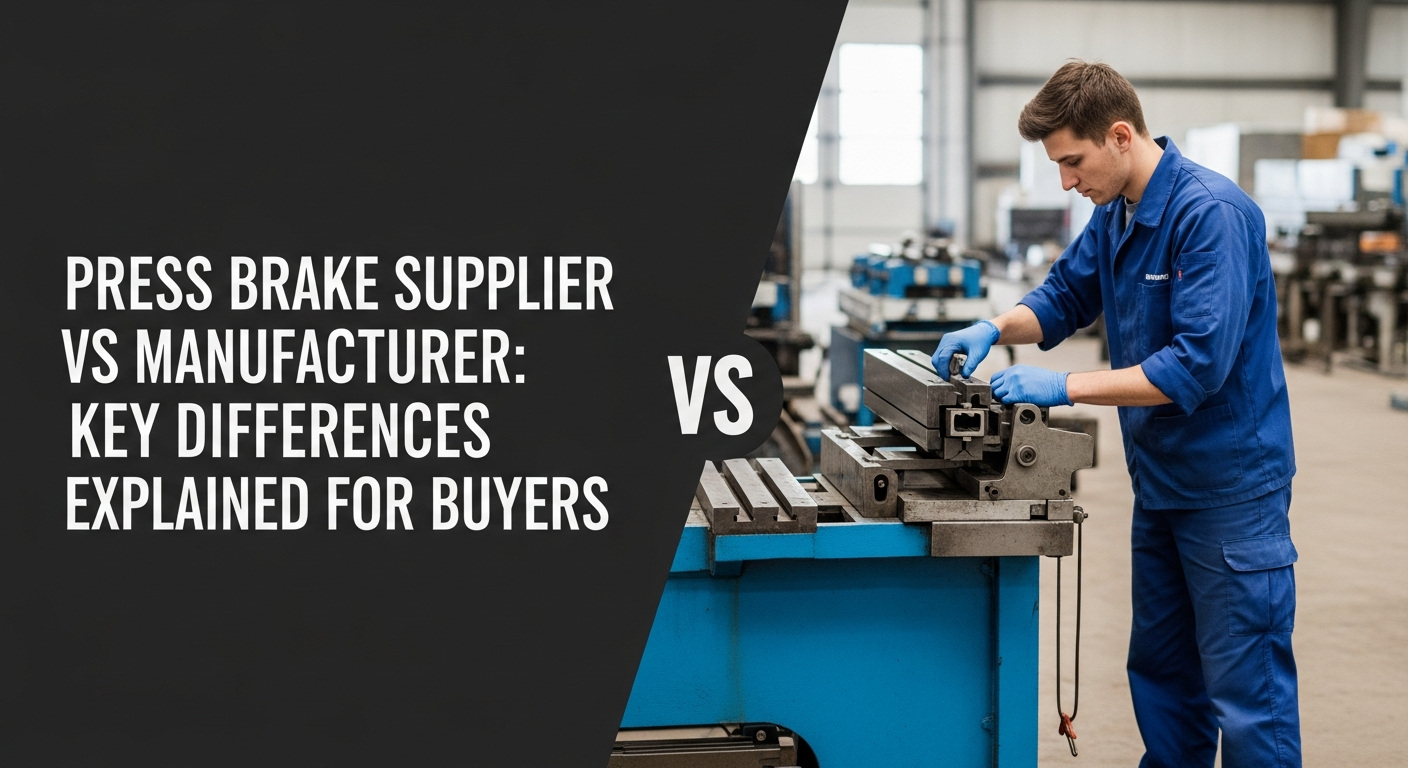
When investing in metal bending equipment, buyers often encounter two distinct sources: manufacturers who design and build the machines, and suppliers who distribute equipment from various sources. Understanding the fundamental differences between a press brake manufacturer and a press brake supplier significantly impacts your purchasing decision, long-term support experience, and overall satisfaction with your equipment investment.
This comprehensive guide examines the key distinctions between these two sources, helping you determine which option aligns best with your business requirements, budget constraints, and support expectations.
Understanding Press Brake Manufacturers
A press brake manufacturer designs, engineers, and produces metal bending equipment in their own manufacturing facilities. These companies control the entire production process from initial design concepts through final assembly and testing.
What Defines a True Manufacturer
True manufacturers maintain engineering teams that develop equipment designs based on industry needs and technological advancements. They operate production facilities equipped with machining centers, welding operations, assembly areas, and testing capabilities. Manufacturing companies invest substantial resources in research and development, continuously improving their product lines and introducing new technologies.
The manufacturing process includes fabricating structural components like frames and rams, machining precision parts to exact specifications, assembling hydraulic and electrical systems, programming and testing control systems, and conducting quality inspections throughout production. This direct involvement in every production stage gives manufacturers deep technical knowledge about their equipment.
Leading manufacturers like EnergyMission build comprehensive product lines including hydraulic press brake systems and other metal fabrication equipment, backed by extensive engineering expertise and quality control processes.
Manufacturing Advantages
Purchasing directly from manufacturers provides several distinct benefits. Technical expertise runs deep throughout the organization, from engineering teams who designed the equipment to service technicians who understand every component. This knowledge translates into superior technical support when problems arise or when you need application guidance.
Manufacturers control product quality through direct oversight of materials selection, production processes, and testing procedures. They implement quality management systems ensuring consistent output that meets specifications. When quality issues occur, manufacturers can implement corrective actions throughout their production process.
Customization capabilities represent another significant advantage. Manufacturers possess the engineering resources and production flexibility to modify standard designs for specialized requirements. Whether you need unusual working lengths, specialized tooling systems, or unique control features, manufacturers can adapt their designs accordingly.
Long-term parts availability typically exceeds what suppliers can guarantee. Manufacturers maintain engineering documentation and production capabilities allowing them to manufacture replacement parts for decades. They understand component specifications and can source or produce parts even for older equipment models.
Need expert technical guidance? Contact EnergyMission to speak directly with our engineering team about your specific application requirements.
Understanding Press Brake Suppliers
A press brake supplier distributes equipment manufactured by other companies. Suppliers function as intermediaries between manufacturers and end users, often representing multiple brands and providing various ancillary services.
What Defines Equipment Suppliers
Suppliers focus on sales, distribution, and service rather than design and manufacturing. They establish relationships with one or more manufacturers, gaining authorization to sell and support specific equipment brands in defined geographic territories.
The supplier’s role includes marketing equipment to potential customers, maintaining inventory or coordinating orders, providing product demonstrations, offering financing options, arranging delivery and installation, and providing after-sales support within their capabilities. Some suppliers represent single manufacturers exclusively, while others carry multiple brands offering customers broader selection.
Larger suppliers operate service departments staffed with technicians trained on the equipment brands they represent. These service operations handle installation, maintenance, repairs, and technical support for customers within their territory.
Supplier Advantages
Working with suppliers offers certain benefits depending on your specific situation. Local presence often provides easier access compared to distant manufacturers. Regional suppliers understand local market conditions, industry practices, and can provide faster response for service needs within their territory.
Multi-brand suppliers offer equipment from several manufacturers under one roof, simplifying comparison shopping. You can evaluate different brands, compare specifications, and sometimes negotiate competitive pricing between options. This variety helps match equipment to your specific needs without contacting multiple manufacturers separately.
Suppliers often provide comprehensive turnkey solutions bundling equipment with tooling, training, installation services, and ongoing support. This convenience appeals to buyers who prefer single-source responsibility for their complete solution.
Established suppliers with solid reputations provide valuable services and support. However, understanding their limitations compared to direct manufacturer relationships helps set appropriate expectations.
Key Differences in Technical Knowledge
Technical knowledge depth represents one of the most significant distinctions between manufacturers and suppliers.
Engineering Expertise
Press brake manufacturers employ engineers who designed the equipment. They understand design rationale, material selections, component specifications, and how systems interact. This knowledge proves invaluable when addressing complex technical issues or optimizing equipment for challenging applications.
Engineers at manufacturing companies can modify designs, recommend specification changes, and develop solutions for unique requirements. They access complete technical documentation including detailed drawings, calculations, and test data supporting their recommendations.
Suppliers rely on information provided by manufacturers. While experienced supplier personnel develop substantial product knowledge over time, they typically cannot match the engineering depth of manufacturer teams. Complex technical questions may require suppliers to consult with manufacturers, adding delays to getting answers.
Application Knowledge
Manufacturers accumulate application knowledge from thousands of installations across diverse industries. They understand how their equipment performs in various materials, production environments, and operational conditions. This experience guides equipment recommendations and application support.
Suppliers develop application knowledge within their territory and customer base. Well-established suppliers understand local industry requirements and common applications. However, their experience remains limited to equipment brands they represent and customers they serve.
Troubleshooting Capabilities
When equipment problems occur, manufacturers can draw upon engineering expertise, production knowledge, and comprehensive technical resources. They understand potential failure modes, component specifications, and proper repair procedures. Complex problems that stump field technicians can be escalated to engineering teams.
Suppliers depend on technical support from manufacturers for difficult issues. Their service capabilities are limited by training received from manufacturers and diagnostic resources provided. Simple problems get resolved quickly, but complex issues may require manufacturer involvement extending resolution time.
Differences in Parts Availability
Spare parts availability directly impacts equipment uptime and long-term operating costs.
Direct Parts Access
Manufacturers control parts inventory, production, and distribution. They maintain comprehensive parts catalogs, manufacture components as needed, and prioritize parts availability for their installed base. Direct manufacturer parts purchases often cost less than through supplier networks due to fewer intermediaries.
When specific parts become obsolete or unavailable, manufacturers can sometimes produce replacement parts using original specifications and tooling. This capability proves valuable as equipment ages and standard inventory depletes.
Supplier Parts Channels
Suppliers obtain parts through manufacturer distribution channels. Parts must flow from manufacturer inventory through supplier warehouses before reaching your facility. This additional step can extend lead times, particularly for less common components.
Supplier parts pricing typically includes markup beyond manufacturer pricing, increasing your cost. However, suppliers sometimes stock commonly needed parts locally, potentially providing faster delivery than ordering directly from distant manufacturers.
The press brake supplier relationship quality significantly impacts parts support. Well-stocked suppliers with efficient ordering systems provide adequate parts support. Suppliers with limited inventory and poor manufacturer relationships create parts availability challenges.
Support and Service Differences
Support quality affects your equipment satisfaction and production uptime throughout the machine’s operational life.
Manufacturer Support Models
Manufacturers provide support through various channels depending on their business model and geographic reach. Large manufacturers with international presence establish regional service centers staffed with factory-trained technicians. Smaller manufacturers may provide support directly from their headquarters location.
Factory support teams access complete technical resources including engineering expertise, production records, quality data, and specialized diagnostic equipment. They can authorize warranty claims, approve special solutions, and escalate complex issues to appropriate personnel.
Some manufacturers combine direct support with authorized service networks, training independent service providers to support their equipment. This hybrid approach extends geographic coverage while maintaining quality standards.
Supplier Support Models
Suppliers provide frontline support for equipment they sell. Service departments handle routine maintenance, repairs, parts installation, and technical questions within their knowledge base. Their capability depends heavily on technician training, experience with specific equipment, and support received from manufacturers.
Geographic coverage typically limits supplier support to their defined territory. If you operate multiple facilities across different regions, you may work with different suppliers for each location, creating support inconsistency.
Supplier support quality varies widely. Established suppliers with long manufacturer relationships and well-trained service teams provide excellent support. Suppliers treating service as a secondary priority frustrate customers with slow response and limited capabilities.
Looking for reliable long-term support? EnergyMission provides comprehensive factory support backed by engineering expertise and decades of industry experience.
Pricing and Cost Considerations
Understanding pricing structures helps you evaluate the true cost of different purchasing options.
Manufacturer Direct Pricing
Purchasing directly from manufacturers eliminates distributor markup, potentially reducing initial equipment cost. Manufacturers may offer volume discounts for multiple units or package deals including accessories and training.
However, direct manufacturer purchases may require separate arrangements for delivery, installation, and training unless the manufacturer provides comprehensive turnkey services. Factor these additional costs into your comparison.
Manufacturer pricing transparency often exceeds supplier pricing. Factory quotes typically itemize equipment, options, tooling, and services clearly. This transparency simplifies comparison and negotiation.
Supplier Pricing Structures
Suppliers add margin to manufacturer pricing, covering their overhead, sales costs, and profit requirements. The additional cost varies based on equipment type, competitive pressure, and services included.
Many suppliers bundle services into their pricing including delivery, installation, training, and startup support. These packages provide convenience and single-source accountability. Evaluate whether bundled services justify any price premium over direct manufacturer purchases.
Suppliers sometimes negotiate better pricing with manufacturers based on volume commitments, potentially passing savings to customers. They may also offer favorable financing terms or lease options that manufacturers don’t provide directly.
Quality Control and Accountability
Equipment quality and who stands behind it affects your long-term satisfaction and recourse if problems arise.
Manufacturer Quality Control
Manufacturers implement quality management systems throughout production. Incoming material inspections verify component quality before production begins. In-process inspections catch problems during manufacturing. Final testing confirms each press brake machine meets specifications before shipment.
Quality documentation accompanies equipment, detailing inspections performed and test results achieved. This documentation provides confidence in equipment quality and baseline data for future reference.
When quality issues occur, manufacturers bear direct responsibility and accountability. They can implement corrections in current production and provide remedies for affected customers. Manufacturer reputation depends on product quality, motivating them to address problems thoroughly.
Supplier Quality Roles
Suppliers inspect equipment upon receipt and again before delivery to customers. They verify no damage occurred during shipping and confirm accessories and documentation are complete. However, suppliers cannot inspect internal components or verify performance specifications comprehensively.
Suppliers coordinate warranty claims and quality issues with manufacturers on your behalf. Responsive suppliers effectively advocate for customers, ensuring manufacturers address problems promptly. Less engaged suppliers may create frustration by acting as barriers rather than facilitators.
Understanding that suppliers distribute rather than produce equipment helps set appropriate expectations regarding quality accountability. While suppliers provide important services, ultimate equipment quality responsibility rests with manufacturers.
Making the Right Choice for Your Business
Determining whether to purchase from a press brake manufacturer or press brake supplier depends on several factors specific to your situation.
When to Choose Direct Manufacturer Purchase
Direct manufacturer purchase makes sense when technical expertise and engineering support are priorities for your applications. Complex parts, challenging materials, or specialized requirements benefit from direct access to engineering teams.
If you operate multiple facilities or plan significant expansion, establishing direct manufacturer relationships provides consistency across locations. Direct purchasing works well when you possess internal capabilities for installation and startup, reducing reliance on turnkey services.
Companies prioritizing long-term relationships, parts availability, and equipment lifecycle support often prefer direct manufacturer engagement. This approach provides clarity regarding who stands behind your equipment long-term.
When to Choose Supplier Purchase
Supplier purchase makes sense when local service presence is critical for your operations. If quick response times for service calls matter more than engineering depth, established local suppliers provide better support than distant manufacturers.
Buyers valuing turnkey convenience including delivery, installation, training, and startup coordination often prefer supplier solutions. Suppliers bundle these services routinely while manufacturers may require separate coordination.
If you need to compare multiple brands or lack specific brand preferences, multi-line suppliers simplify the selection process. Suppliers can demonstrate different options and help identify the best match for your requirements.
First-time buyers without experience specifying equipment benefit from supplier guidance. Good suppliers ask appropriate questions, understand your applications, and recommend suitable equipment and configurations.
Hybrid Approach Considerations
Some situations benefit from hybrid approaches. You might purchase equipment directly from manufacturers like EnergyMission while engaging local service providers for routine maintenance and support. This combines manufacturer expertise with local service convenience.
Alternatively, some manufacturers authorize specific suppliers as their exclusive representatives in certain territories. These authorized dealer relationships can provide benefits of both approaches when structured effectively.
Ready to find the right purchasing approach? Contact EnergyMission to discuss direct purchase options and authorized supplier networks in your region.
Frequently Asked Questions
1. What is the main difference between a press brake supplier and manufacturer?
A press brake manufacturer designs, engineers, and produces equipment in their own facilities, while a press brake supplier distributes equipment made by manufacturers. Manufacturers have direct engineering expertise and production control, while suppliers focus on sales, distribution, and regional service support. This fundamental difference affects technical knowledge depth, customization capabilities, and support resources available.
2. Are press brake machines cheaper when purchased directly from manufacturers?
Direct manufacturer purchases often cost less than buying through suppliers because they eliminate distributor markup. However, suppliers sometimes bundle installation, training, and support services that manufacturers charge separately. Compare total costs including all services needed, not just base equipment pricing. Volume purchases may offer better manufacturer discounts, while suppliers might provide competitive financing options.
3. Can press brake suppliers provide the same technical support as manufacturers?
Suppliers provide competent support for routine maintenance and common issues but typically cannot match manufacturer engineering expertise. Complex technical problems, application optimization, and customization requests often require manufacturer involvement regardless of whether you purchased through suppliers. The best suppliers maintain strong manufacturer relationships ensuring quick access to factory expertise when needed.
4. Do I lose warranty coverage buying from suppliers instead of manufacturers?
No, manufacturer warranties apply regardless of whether you purchase directly or through authorized suppliers. Equipment warranties are provided by manufacturers, not suppliers. However, warranty claim processing may be faster when working directly with manufacturers versus through supplier intermediaries. Verify supplier authorization with manufacturers to ensure warranty coverage before purchasing.
5. Which option is better for small businesses buying their first press brake?
Small businesses often benefit from supplier relationships providing local support, turnkey installation services, and hands-on guidance. Experienced suppliers ask appropriate questions, help select suitable equipment, and provide accessible service support. As your business grows and applications become more sophisticated, direct manufacturer relationships may become more valuable. Start with the approach offering best local support for your initial learning curve.
Conclusion
Understanding the differences between press brake suppliers and press brake manufacturers empowers you to make informed purchasing decisions aligned with your business needs. Manufacturers provide direct engineering expertise, production control, and comprehensive technical resources. Suppliers offer local presence, turnkey convenience, and multi-brand selection.
Neither option is universally superior. The right choice depends on your technical requirements, support priorities, internal capabilities, and long-term equipment strategy. Technical applications with complex requirements often benefit from direct manufacturer relationships. Standard applications where local service access matters more than engineering depth may work better through established suppliers.
EnergyMission combines manufacturer expertise with customer-focused support, offering direct access to engineering teams, comprehensive product lines, and commitment to long-term customer success. Whether you prefer direct manufacturer relationships or work through our authorized supplier network, we provide the technical depth and support resources ensuring your equipment investment delivers lasting value.
Evaluate your priorities carefully, ask detailed questions of potential sources, and choose the path providing the best combination of equipment quality, technical support, and long-term value for your specific situation.
Request a detailed quotation for high-performance press brake equipment tailored to your specifications.