
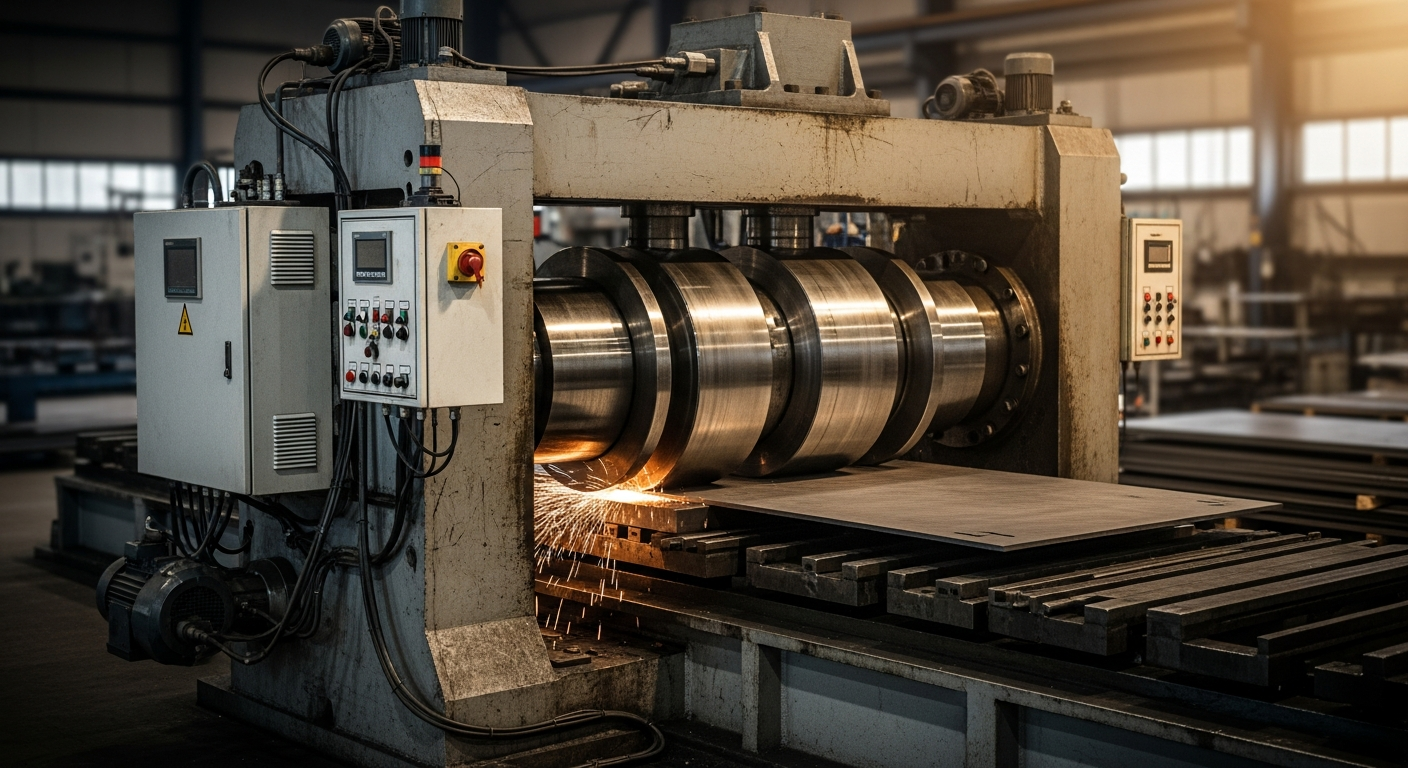
Metal fabrication industries worldwide depend on precision equipment to transform flat metal sheets into cylindrical, conical, and curved components. The Plate Rolling Machine stands at the center of modern manufacturing operations, delivering consistent accuracy for diverse industrial applications. From constructing massive storage tanks to crafting intricate architectural elements, these machines provide the forming precision that manufacturers require.
Understanding how different plate rolling machine types function, their capabilities, and applications helps fabricators make informed decisions that directly impact production efficiency and product quality. This comprehensive guide covers everything manufacturers need to know about selecting and implementing plate rolling equipment.
What is a Plate Rolling Machine
A plate rolling machine bends flat metal sheets into cylindrical or conical shapes through controlled application of pressure across multiple rollers. Unlike press brakes that create angular bends, rolling machines produce smooth curves with consistent radii throughout the workpiece length. This fundamental difference makes rolling machines indispensable for applications requiring seamless cylindrical forms.
The basic principle involves passing metal sheets between powered rollers while adjusting the position and pressure to achieve the desired curvature. Top and bottom rollers work in coordination, gradually bending the material through multiple passes until reaching the specified radius. Modern machines automate these adjustments through numerical control systems, ensuring repeatability across production runs.
Plate rolling machine technology has progressed significantly from manual systems to sophisticated CNC-controlled equipment. Today’s machines offer programmable bending sequences, real-time monitoring, and automatic compensation for material springback characteristics.
Types of Plate Rolling Machines
Three Roll Plate Rolling Machines
The 3 roll plate rolling machine represents the most common configuration in metal fabrication shops. These machines feature two bottom rollers that drive the material and one top roller that applies bending pressure. The pyramid arrangement allows operators to adjust the top roller position to control the bending radius.
Three roll systems excel at producing large diameter cylinders and handling thick plate materials. Their mechanical simplicity translates to reliability and lower maintenance requirements compared to more complex configurations. Advanced 3 roll plate rolling machine models incorporate double pre-pinching capabilities that reduce flat sections at sheet ends, improving material utilization.
Four Roll Plate Rolling Machines
Four roll configurations add a fourth roller to eliminate or significantly reduce flat ends inherent in three roll designs. The 4 roll plate rolling machine uses independent bottom rollers that can move vertically, allowing complete pre-bending of sheet edges. This capability produces nearly perfect cylinders without requiring additional edge bending operations.
The superior edge forming of four roll systems makes them ideal for applications where minimizing flat sections is critical. Pressure vessel manufacturing, pipe production, and applications requiring tight tolerances benefit from the precision these machines deliver.
Mechanical vs. Hydraulic Systems
Plate rolling machines utilize either mechanical or hydraulic systems to generate bending force. Mechanical systems employ electric motors, gearboxes, and screw mechanisms to adjust roller positions. These systems provide excellent repeatability and require less maintenance than hydraulic alternatives.
Hydraulic plate rolling machines use pressurized fluid to power cylinders that position rollers and apply bending force. Hydraulic systems offer smoother operation and finer control over pressure application, particularly beneficial when working with sensitive materials or achieving tight tolerances.
Key Features of Modern Plate Rolling Machines
Numerical Control Integration
Contemporary plate rolling machine manufacturer offerings include sophisticated NC (Numerical Control) or CNC systems that automate bending operations. Operators input parameters such as material thickness, yield strength, desired radius, and sheet dimensions. The control system calculates optimal roller positions and automatically executes the bending sequence.
NC integration eliminates guesswork and reduces operator dependency on experience. The system stores programs for different parts, enabling quick changeovers between production runs. Advanced control systems incorporate adaptive algorithms that compensate for material springback automatically.
Pre-Bending Capabilities
Pre-bending functionality distinguishes basic rolling machines from advanced systems. Pre-bending reduces or eliminates flat sections at sheet edges by forming these areas before the main rolling operation begins. Double pre-pinch systems found on premium plate rolling machine models can pre-bend both edges in a single setup, significantly improving productivity.
Roller Construction and Materials
Roller quality directly affects forming accuracy and machine longevity. Premium plate rolling machines feature rollers manufactured from high-grade alloy steel, heat-treated for hardness and dimensional stability. Precision grinding ensures cylindrical accuracy within tight tolerances, preventing surface marks and dimensional variations.
Applications Across Industries
Construction and Infrastructure
Construction applications consume significant plate rolling machine capacity worldwide. Structural steel fabricators produce curved beams, columns, and architectural elements that define modern building designs. Bridge construction requires rolled plates for support structures, guardrails, and decorative elements.
Quality control in construction applications demands precise dimensional accuracy and consistent surface finish. Rolled components must fit properly during assembly without requiring field modifications. Modern control systems ensure repeatability that meets strict architectural and structural tolerances.
Energy Sector Requirements
Energy generation facilities depend heavily on formed metal components. Wind turbine towers consist of multiple rolled sections welded together to form conical towers exceeding 100 meters in height. Solar mounting structures incorporate curved supports. Conventional power plants require massive pressure vessels, heat exchangers, and piping systems formed from thick plate materials.
Renewable energy projects continue expanding globally, driving demand for large capacity rolling equipment. Offshore wind installations require corrosion-resistant rolled sections that withstand harsh marine environments.
Shipbuilding and Marine Applications
Naval architecture requires extensive plate rolling for hull construction, deck structures, and interior bulkheads. Ship hulls follow complex curves that demand precise forming to achieve proper hydrodynamic performance and structural integrity. Modern shipyards rely on large capacity plate rolling machines to form the thick steel plates that provide hull strength.
Marine applications present unique challenges due to material thickness and corrosion resistance requirements. Ships operating in saltwater environments utilize specialized steel alloys that affect rolling behavior.
Automotive and Transportation
Automotive manufacturing incorporates rolled components in exhaust systems, fuel tanks, and structural elements. Transportation equipment beyond automobiles utilizes rolled metal extensively. Railroad cars incorporate curved roof sections and cylindrical tank components. Aerospace applications demand extremely tight tolerances on rolled parts for aircraft fuselages and engine components.
The automotive industry’s shift toward electric vehicles creates new applications for plate rolling technology. Battery enclosures require precisely formed protective cases, and electric motor housings incorporate cylindrical sections.
Process Industries
Chemical processing, petroleum refining, and pharmaceutical manufacturing depend on pressure vessels and process tanks formed from corrosion-resistant materials. These vessels operate under extreme pressure and temperature conditions, demanding precise dimensional accuracy and material integrity.
Stainless steel dominates process industry applications due to its corrosion resistance and sanitary properties. Rolling stainless steel presents unique challenges due to its work hardening characteristics and tendency to spring back significantly after forming.
Factors Affecting Sheet Rolling Machine Price
Machine Capacity and Configuration
Sheet rolling machine price correlates directly with bending capacity, measured by maximum plate thickness and working width. Machines handling thicker materials require more robust frames, larger diameter rollers, and more powerful drive systems, all contributing to higher costs.
Four roll configurations command premium pricing compared to three roll designs due to their additional roller assembly and more complex control systems. The superior performance of four roll systems justifies the investment for applications where eliminating flat ends provides significant value.
Manufacturers seeking budget-conscious solutions often find three roll mechanical systems offer excellent value for less demanding applications. Basic three roll plate rolling machines deliver reliable performance for general fabrication work at accessible price points.
Control System Sophistication
Manual plate rolling machines represent the most economical option but demand skilled operators. Numerical control integration adds significant value through automation, programmability, and consistency. The sophistication of control systems varies widely, with basic NC panels offering simple parameter input while advanced CNC systems provide simulation and automatic optimization.
Touch screen interfaces, graphical programming, and network connectivity increase initial sheet rolling machine price but deliver long-term value through improved operator efficiency and reduced training requirements.
Build Quality and Component Selection
Premium plate rolling machine manufacturer brands command higher prices based on superior construction quality and component selection. High-grade steel frames, precision-ground rollers, and name-brand hydraulic components ensure reliable performance and extended service life.
Component sourcing significantly impacts both initial price and long-term operating costs. Machines incorporating industrial-grade motors, bearings, and controls from established manufacturers provide better reliability than equipment using economy components.
Selecting the Right Plate Rolling Machine Manufacturer
Engineering Expertise and Experience
Established plate rolling machine manufacturer companies bring decades of engineering knowledge to equipment design. This experience manifests through thoughtful design details that improve reliability, performance, and operator convenience.
Manufacturing expertise extends beyond equipment design to production processes. Quality manufacturers maintain strict tolerances during fabrication, ensuring roller alignment, frame squareness, and component fit meet specifications. Precision manufacturing directly translates to equipment performance and longevity.
Application engineering support helps customers select appropriate equipment for their specific requirements. Experienced manufacturers understand how different materials behave during rolling and can recommend optimal machine configurations.
Quality Assurance Processes
Reputable plate rolling machine manufacturer organizations implement comprehensive quality management systems covering material selection, fabrication processes, and final testing. ISO certification indicates commitment to quality management principles.
Factory acceptance testing provides customers opportunity to witness equipment performance before shipment. Comprehensive testing includes roller alignment verification, hydraulic system pressure testing, and control system functionality checks.
Technical Support and Service
Post-sale support distinguishes exceptional plate rolling machine manufacturer companies from mediocre suppliers. Comprehensive support includes installation assistance, operator training, and ongoing technical consultation. Responsive support teams minimize downtime when issues arise.
Spare parts availability significantly impacts long-term equipment value. Manufacturers maintaining comprehensive parts inventories enable quick repairs when components fail. Clear parts documentation and reasonable pricing for replacement components contribute to favorable total cost of ownership.
Operating and Maintaining Plate Rolling Equipment
Operator Training Requirements
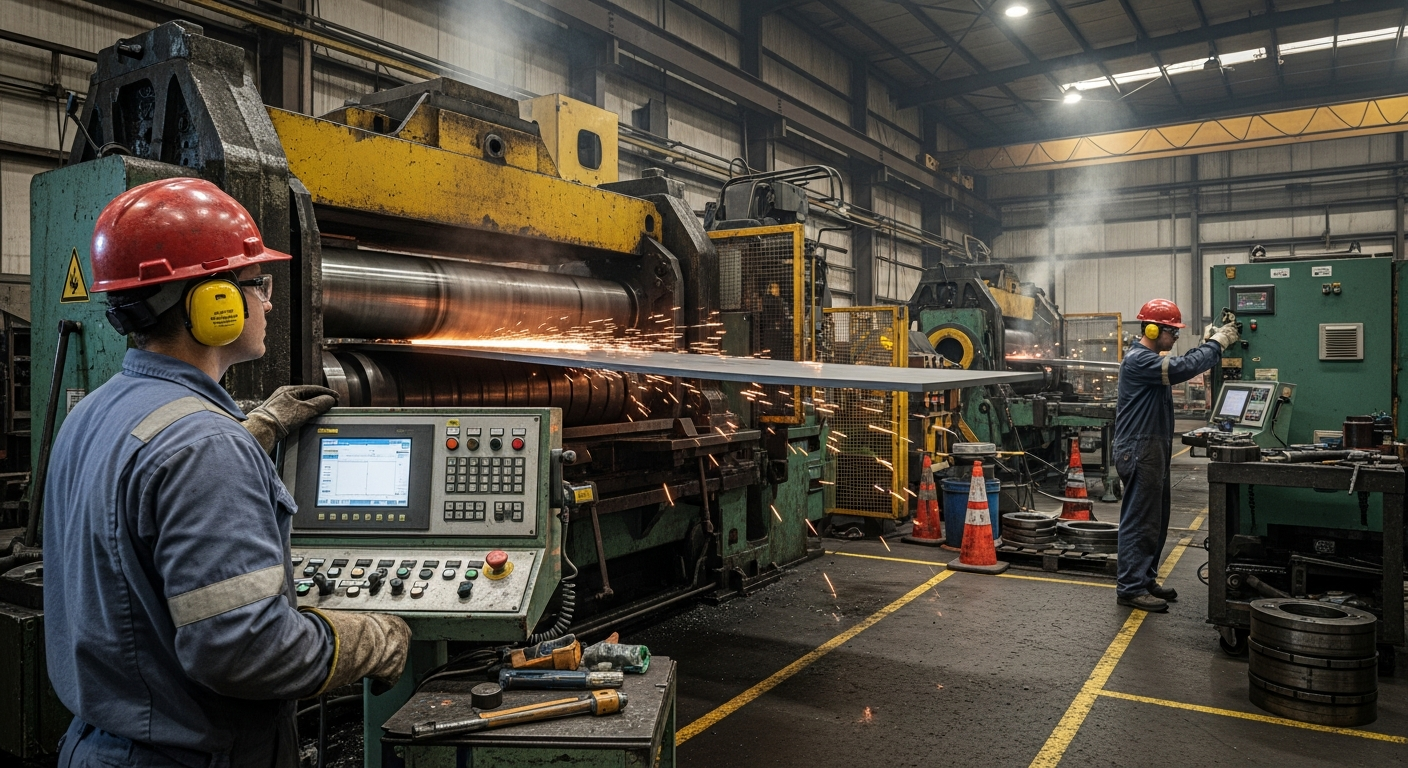
Effective plate rolling machine operation requires understanding material behavior, equipment capabilities, and safety protocols. Comprehensive training programs cover setup procedures, parameter selection, quality inspection, and troubleshooting. Well-trained operators produce consistent results while protecting equipment from damage.
Training should address material handling techniques that prevent workpiece damage and operator injury. Heavy plate materials present significant safety hazards during loading, positioning, and removal.
Preventive Maintenance Schedules
Regular maintenance preserves equipment performance and extends service life. Daily maintenance includes cleaning, lubrication verification, and visual inspection. Weekly maintenance adds more detailed lubrication service and hydraulic fluid level checks. Monthly maintenance incorporates roller alignment verification and drive system inspection.
Annual maintenance should include comprehensive system evaluation by qualified technicians. Hydraulic systems require fluid analysis and component inspection. Electrical systems need connection tightening and control system testing.
Common Troubleshooting Issues
Understanding typical Plate Rolling Machine problems helps operators respond quickly when issues arise. Inconsistent bending radius often indicates roller alignment problems or uneven pressure distribution. Surface marking on formed parts suggests excessive pressure, contaminated rollers, or insufficient lubrication.
Hydraulic system issues manifest through slow operation, unusual noise, or erratic pressure. Common causes include contaminated fluid, worn seals, or failing pumps. Regular fluid analysis and filter replacement prevent many hydraulic problems.
Future Trends in Plate Rolling Technology
Manufacturing automation continues transforming metal fabrication operations. Modern plate rolling machines increasingly incorporate sensors that monitor process parameters in real-time. This data feeds control systems that optimize operations automatically and alert operators to developing problems.
Integration with manufacturing execution systems enables lights-out production for suitable applications. Automated material handling loads blanks, and robotic systems remove finished parts. The plate rolling machine operates continuously with minimal human intervention, maximizing equipment utilization.
Artificial intelligence and machine learning algorithms promise further performance improvements. These systems analyze historical production data to identify optimal settings for different materials and specifications.
Conclusion
The Plate Rolling Machine remains fundamental to modern metal fabrication, transforming flat sheets into cylindrical and conical components across countless industries. From basic three roll mechanical systems to sophisticated CNC four roll configurations, equipment options accommodate diverse application requirements and budget constraints.
Selecting appropriate equipment requires careful evaluation of production needs, material specifications, and quality requirements. Working with established plate rolling machine manufacturer companies ensures access to proven technology, reliable support, and long-term parts availability. While sheet rolling machine price varies significantly across equipment types and manufacturers, focusing on total cost of ownership rather than initial investment alone leads to better long-term outcomes.
Energymission stands as a trusted plate rolling machine manufacturer offering comprehensive solutions including 3 roll plate rolling machine systems, 4 roll plate rolling machine configurations, and specialized equipment for diverse applications. Our engineering expertise, quality construction, and customer support deliver exceptional value for fabricators worldwide.