
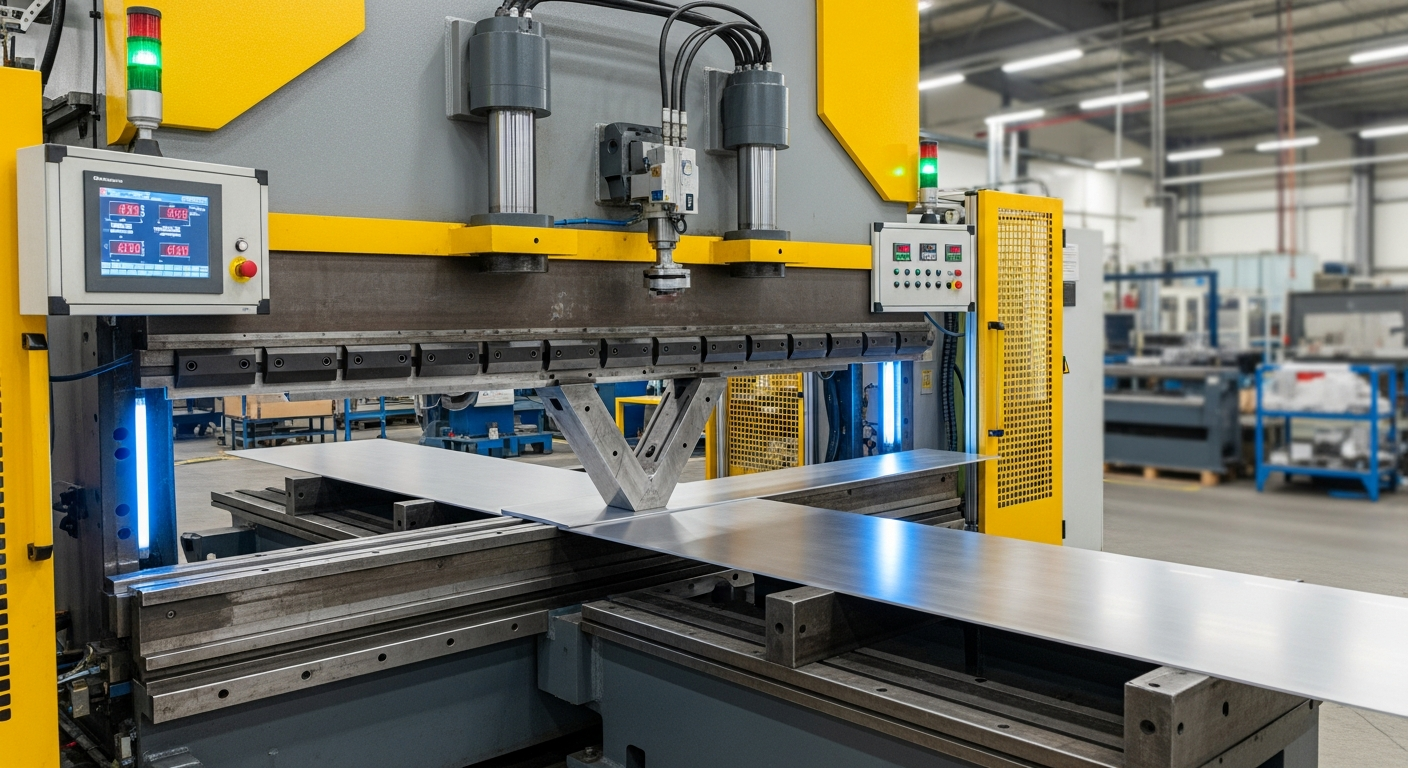
Metal fabrication demands precision, speed, and reliability. Whether you’re manufacturing automotive components, creating architectural structures, or producing industrial equipment, the quality of your work depends heavily on the machinery you use. A Sheet Metal Bending Machine is the backbone of any metal fabrication shop, transforming flat sheets into precise three-dimensional forms with consistent accuracy.
Understanding how to select the right bending equipment can significantly impact your production efficiency, operational costs, and final product quality. This comprehensive guide walks you through everything you need to know about Sheet Metal Bending Machine, from understanding different types to making informed purchasing decisions.
What is a Sheet Metal Bending Machine?
A sheet metal bending machine, commonly known as a press brake, is specialized equipment designed to bend and form sheet metal into various angles and shapes. The machine applies controlled force to deform the metal along a predetermined axis, creating precise bends without cracking or damaging the material.
These machines work by clamping the sheet metal between a punch and die set, then applying hydraulic, mechanical, or servo-electric force to achieve the desired bend angle. Modern machines incorporate computer numerical control (CNC) systems that allow operators to program complex bending sequences with minimal manual intervention.
The accuracy of a bending machine for sheet metal depends on several factors: the machine’s structural rigidity, control system precision, tooling quality, and the operator’s expertise. High-quality machines maintain bend angle consistency within ±0.5 degrees, making them suitable for applications requiring tight tolerances.
Types of Sheet Metal Bending Machines
Understanding the different types of sheet metal bending machines helps you select equipment that matches your specific production requirements. Each type offers distinct advantages for particular applications.
CNC Press Brake Machines
CNC press brakes represent the most advanced category of sheet metal bending equipment. These machines use computerized controls to manage every aspect of the bending process, from backgauge positioning to ram descent speed and pressure application.
Energymission’s Optima exemplifies high-end CNC technology, offering high-speed operation with minimal energy consumption. The machine’s intuitive control system allows operators to store hundreds of bending programs, reducing setup time for repeat jobs from hours to minutes.
For workshops handling intricate metalwork, Splendid CNC press brake delivers smooth operation and exceptional control. Its hydraulic system provides consistent pressure throughout the bending cycle, ensuring uniform results across the entire workpiece length.
Efficient models prioritize productivity, optimizing cycle times while maintaining pinpoint accuracy. These machines are ideal for high-volume production environments where throughput matters as much as quality.
Tandem and Heavy-Duty Solutions
Large-scale fabrication projects require specialized equipment capable of handling oversized sheets. Tandem/Tridem systems synchronize multiple press brakes to work as a single unit, effectively doubling or tripling your bending capacity.
For operations involving thick materials or requiring exceptional force, Magnum series machines provide the answer. These heavy duty sheet metal bending machine units feature reinforced frames and advanced hydraulic systems capable of bending thick plates with consistent accuracy.
NC Press Brake Options
Numerical Control (NC) press brakes offer a cost-effective middle ground between manual and fully computerized systems. NC Press Brake (Front Cylinder) and Rear Cylinder configurations provide digital precision at a lower investment point, making them ideal for businesses transitioning from manual equipment.
Hydraulic Press Brake Machines
Hydraulic press brakes remain popular due to their reliability and versatility. The metal sheet bending machine hydraulic press category includes machines suitable for various applications, from small workshop operations to industrial-scale production.
Compact yet powerful, Prudent models offer full-sized capability in space-saving designs, perfect for smaller workshops or specialized applications requiring mobility.
Key Features of Modern Sheet Metal Bending Machines
Precision Control Systems
Today’s Sheet Metal Bending Machine incorporates sophisticated control technology that monitors and adjusts multiple parameters in real-time. Advanced systems track ram position, bending angle, material springback, and hydraulic pressure, automatically compensating for variations to maintain consistent results.
The control interface typically includes graphical displays showing 2D or 3D representations of the bending sequence, helping operators visualize complex operations before executing them. This reduces setup errors and material waste significantly.
Automatic Backgauge Systems
Multi-axis backgauge systems position the workpiece accurately for each bend. Modern machines feature up to six axes of backgauge movement, allowing automatic adjustment of depth, height, and angle. This capability enables the production of complex parts requiring multiple bends at different locations without manual repositioning.
Safety Features
Contemporary machines incorporate comprehensive safety systems including light curtains, laser sensors, and two-hand controls. These features protect operators while maintaining productivity. Emergency stop mechanisms halt machine operation within milliseconds if an obstruction is detected.
Crowning Systems
Sheet metal bending generates enormous forces that can deflect the machine’s bed, causing inconsistent bend angles across the workpiece width. Hydraulic or mechanical crowning systems compensate for this deflection by applying counter-pressure along the bed, ensuring uniform bending across materials of any width.
Benefits of Investing in Quality Bending Equipment
Production Efficiency
A high-quality bending machine for sheet metal dramatically reduces cycle times compared to manual methods. CNC systems eliminate repetitive positioning tasks, allowing a single operator to manage multiple operations. Setup times decrease from hours to minutes when switching between jobs, maximizing machine utilization.
Consistency and Repeatability
Computerized controls ensure every part matches the first, regardless of production volume. This repeatability is crucial for maintaining quality standards and reducing scrap rates. Once a program is validated, it produces identical results every time it runs.
Material Versatility
Modern machines handle various materials including mild steel, stainless steel, aluminum, copper, and specialized alloys. Programmable parameters adjust force, speed, and tooling compensation automatically based on material properties and thickness.
Reduced Labor Requirements
Automated systems reduce the skill level required for basic operations. While expert operators remain valuable for complex work, apprentices can quickly learn to run standard jobs using preset programs, addressing skilled labor shortages.
Lower Operating Costs
Despite higher initial investment, quality machines deliver better total cost of ownership. Reduced energy consumption, minimal maintenance requirements, and lower scrap rates contribute to operational savings that offset the purchase price within 3-5 years.
Applications Across Industries
Automotive Manufacturing
The automotive industry relies heavily on precision metal forming for body panels, chassis components, brackets, and structural elements. Sheet metal bending machine technology enables mass production of consistent parts meeting stringent safety and quality standards.
Aerospace Components
Aerospace applications demand exceptional precision and material traceability. CNC press brakes produce aircraft components with tight tolerances, proper documentation, and full quality assurance records required for aviation certification.
Construction and Architecture
Building construction requires various bent metal products including structural steel, roofing components, HVAC ductwork, and decorative architectural elements. Large-capacity machines handle the oversized sheets common in construction applications.
Industrial Equipment
Manufacturers of industrial machinery, electrical cabinets, conveyor systems, and processing equipment depend on accurate metal bending for functional and aesthetic purposes. Precision bending ensures proper fit and finish in assembled products.
Custom Fabrication
Job shops serving diverse clients need versatile equipment capable of handling varied requirements. Modern press brakes adapt quickly to different materials, thicknesses, and geometries, making them ideal for custom fabrication businesses.
How to Choose the Right Sheet Metal Bending Machine
Assess Your Production Requirements
Start by analyzing your typical workload: material types, thickness ranges, bend lengths, and production volumes. Document your most common jobs and identify any specialized requirements that might influence machine selection.
Consider Future Growth
Purchase equipment with capacity exceeding your current needs. Choosing a machine that handles your largest anticipated workpieces and thickest materials prevents premature obsolescence. The additional capacity pays dividends when business expands.
Evaluate Control System Capabilities
The control system determines how easily you can program complex parts and switch between jobs. User-friendly interfaces with 3D simulation reduce training time and programming errors. Look for systems offering offline programming capability to minimize machine downtime.
Calculate Total Cost of Ownership
Beyond the purchase price, consider installation costs, tooling expenses, operator training, maintenance requirements, energy consumption, and expected lifespan. Quality machines from reputable manufacturers like Energymission deliver better long-term value despite higher initial costs.
Verify Manufacturer Support
Reliable after-sales support is crucial for maximizing machine uptime. Choose manufacturers offering comprehensive training programs, readily available spare parts, responsive technical support, and maintenance services. Energymission’s customer testimonials highlight their commitment to ongoing support.
Maintenance and Care for Longevity
Regular maintenance extends machine life and maintains accuracy. Daily tasks include checking hydraulic oil levels, inspecting tooling for wear, and cleaning work surfaces. Weekly maintenance involves lubricating moving components and verifying safety system operation.
Monthly procedures include hydraulic system inspection, checking structural components for cracks or deformation, and calibrating control systems. Annual comprehensive maintenance performed by qualified technicians ensures optimal performance and identifies potential issues before they cause breakdowns.
Proper tooling care is equally important. Store punches and dies in designated racks, inspect them regularly for damage, and maintain proper segmentation. Quality tooling represents a significant investment that pays dividends through consistent bending accuracy.
Why Choose Energymission for Your Bending Needs
With over 25 years of production expertise, Energymission has established itself as India’s largest sheet metal machinery manufacturer. Their 260,000 square foot state-of-the-art facility produces a comprehensive range of press brakes, from compact units to massive tandem systems.
Energymission’s commitment to quality is evident in their in-house component production, ensuring consistent standards throughout every machine. Their advanced technology solutions incorporate the latest control systems and hydraulic technology, keeping customers at the forefront of manufacturing capability.
The company’s extensive sales network and excellent customer service have earned them a loyal customer base across automotive, aerospace, construction, and industrial manufacturing sectors. Client testimonials consistently praise their machine performance, accuracy, and responsive support.
Making the Investment Decision
Selecting a sheet metal bending machine represents a significant capital investment that shapes your production capabilities for years to come. Take time to thoroughly evaluate options, considering not just technical specifications but also manufacturer reputation, support infrastructure, and long-term value.
Visit manufacturer facilities when possible to see machines in operation. Request demonstrations with your typical materials and part geometries. Speak with existing customers about their experiences with both the equipment and manufacturer support.
Quality bending equipment transforms metal fabrication operations, enabling precision work that meets customer demands while maintaining competitive pricing. Whether you’re upgrading existing equipment or establishing a new operation, choosing the right machine and manufacturer sets the foundation for long-term success.
For businesses serious about metal fabrication excellence, partnering with established manufacturers like Energymission provides access to proven technology, expert guidance, and ongoing support that maximizes return on investment.
Conclusion
The right Sheet Metal Bending Machine is more than just equipment it’s a strategic asset that defines your production capabilities and competitive position. Understanding the various types of sheet metal bending machines, evaluating features against your specific needs, and choosing a reputable manufacturer ensures you make an informed decision that serves your business for years.
Modern CNC press brakes, heavy duty sheet metal bending machine options, and versatile metal sheet bending machine hydraulic press systems offer solutions for every application and budget. By focusing on quality, capability, and manufacturer support, you can confidently invest in equipment that drives productivity, ensures accuracy, and supports business growth.
Ready to take your metal fabrication capabilities to the next level? Contact Energymission today to discuss your specific requirements and find the perfect bending solution for your operation.